
Homemade Flatbread: Soft, Fluffy, and Perfectly Golden
Homemade flatbread is one of those simple recipes that can transform an everyday meal into something special. Soft on the inside, lightly golden on the outside, and wonderfully versatile, this easy bread is perfect for scooping up sauces, wrapping around your favorite fillings, or serving alongside a comforting homemade dinner.
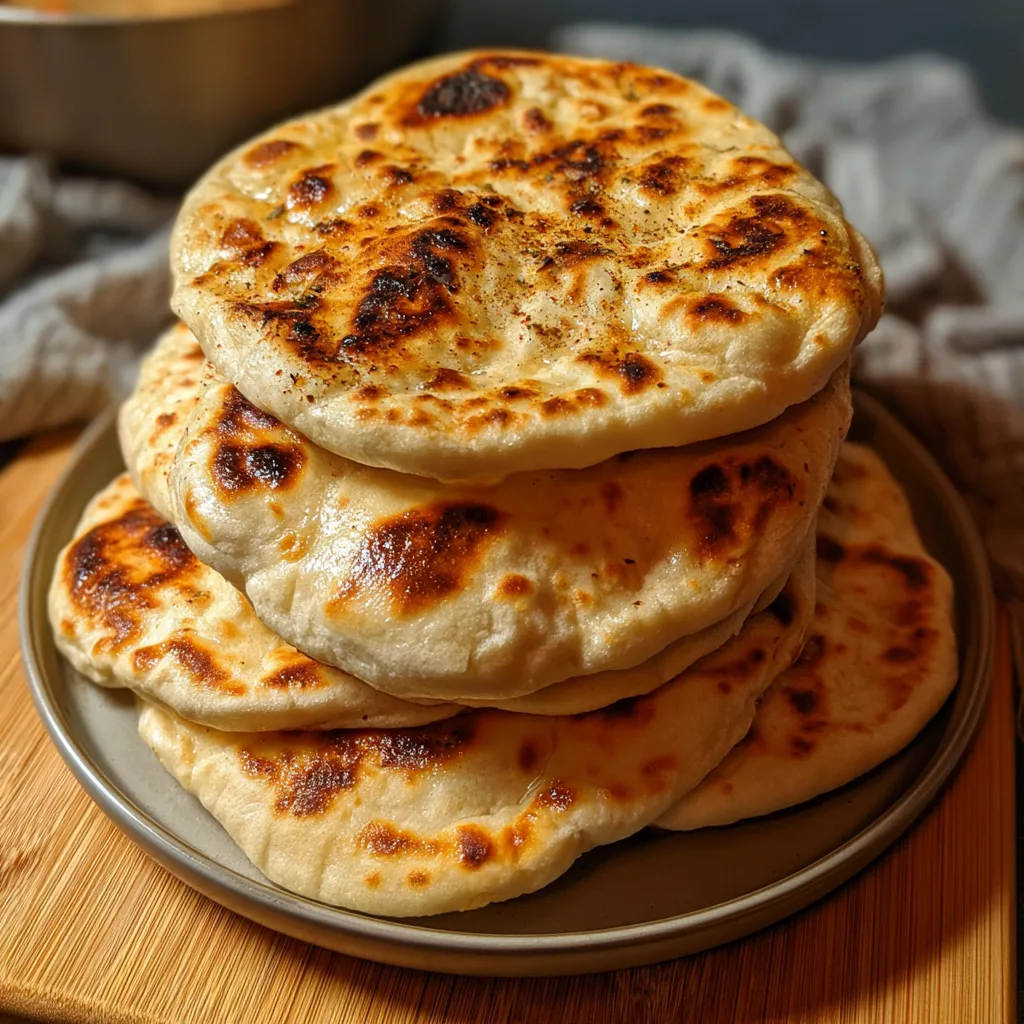
The best part is that you don’t need complicated ingredients or special baking equipment to make delicious flatbread at home. With a few pantry staples and a little time, you can prepare fresh, warm bread in your own kitchen. Whether you’re serving it with grilled chicken, roasted vegetables, creamy dips, or a flavorful stew, homemade flatbread is a delicious addition to almost any meal.
Why You’ll Love This Homemade Flatbread
This flatbread recipe is simple, budget-friendly, and easy to customize. The dough comes together with everyday ingredients, making it a practical choice when you want fresh bread without making a trip to the bakery.
Each piece cooks in a hot skillet, developing golden-brown spots while remaining soft and flexible. The texture makes it ideal for wraps, sandwiches, dipping, or serving as a side dish.
Here are a few reasons to make it at home:
Simple ingredients: You probably already have most of what you need in your kitchen.
No special equipment: A mixing bowl, rolling pin, and skillet are enough.
Versatile serving options: Enjoy it with savory meals, fresh salads, dips, or grilled foods.
Fresh homemade flavor: Warm flatbread tastes wonderful straight from the pan.
Easy to customize: Add herbs, garlic, olive oil, or spices to create different flavors.
What Is Flatbread?
Flatbread is a broad category of bread made by rolling or shaping dough into a relatively thin piece before cooking or baking it. Many cultures have their own versions, with differences in ingredients, thickness, texture, and preparation methods.
Some flatbreads are soft and flexible, while others are crisp and thin. They may be cooked on a griddle, in a skillet, on a hot stone, or in an oven.
This homemade version is designed to be soft, tender, and easy to prepare in a skillet. It works beautifully as an everyday bread for family meals and can be adapted to suit a variety of cuisines.
Ingredients That Make the Best Flatbread
Exact measurements and the complete preparation method are included in Part 2.
All-purpose flour: Forms the structure of the dough and creates a soft, tender texture.
Warm water: Helps bring the dough together and makes it easier to knead.
Olive oil: Adds moisture and helps keep the finished flatbread tender.
Salt: Enhances the natural flavor of the bread.
Baking powder or yeast: Depending on the style you choose, a leavening ingredient can help create a lighter texture.
Plain yogurt, optional: Adds tenderness and a subtle tang, depending on the recipe.
Easy Flatbread Variations
Once you’ve mastered the basic recipe, you can experiment with different flavors.
Garlic flatbread: Brush the cooked bread with melted butter, minced garlic, and chopped parsley.
Herb flatbread: Mix dried oregano, thyme, or rosemary into the dough.
Cheesy flatbread: Sprinkle grated mozzarella or Parmesan over the bread while it is still hot.
Whole-wheat flatbread: Replace part of the all-purpose flour with whole-wheat flour for a heartier texture. You may need a little extra water.
Spiced flatbread: Add a pinch of cumin, paprika, or coriander for a more aromatic flavor.
Common Mistakes to Avoid
Adding too much flour: Excess flour can produce dense, dry flatbread. Add it gradually and stop when the dough becomes manageable.
Skipping the resting time: Dough that hasn’t rested can shrink back when rolled and may be harder to shape.
Cooking over low heat: A pan that isn’t hot enough can dry out the bread before it develops golden spots.
Overcooking the flatbread: Thin bread cooks quickly. Remove each piece once it is cooked through and lightly browned.
Leaving the bread uncovered: Exposing cooked flatbread to air for too long can make it dry and less flexible.
How to Store and Reheat Flatbread
Homemade flatbread is best enjoyed warm, but it is also convenient to prepare ahead.
Allow the bread to cool, then store it in an airtight container or resealable bag at room temperature for about 1–2 days, depending on your kitchen conditions. For longer storage, refrigerate it for up to several days or freeze it with parchment paper between the pieces.
To reheat, warm the flatbread briefly in a dry skillet over medium-low heat. You can also wrap it in foil and heat it in the oven until warm. If it seems dry, lightly sprinkle it with water before reheating to help restore its softness.
Frequently Asked Questions
Can I make flatbread without yeast?
Yes. Many skillet flatbread recipes use baking powder, yogurt, or a combination of simple ingredients instead of yeast. These versions are convenient because they don’t require a long rising time.
Why is my flatbread hard instead of soft?
This can happen if the dough contains too much flour, the pieces are rolled too thin, or the bread is cooked for too long. Keeping the dough soft and covering the cooked bread usually helps.
Can I prepare the dough ahead of time?
Yes. Depending on the recipe, you can prepare the dough in advance and refrigerate it in a covered container. Let it rest at room temperature until it is easier to roll.
Can I freeze homemade flatbread?
Absolutely. Let the bread cool completely, separate the pieces with parchment paper, and store them in a freezer-safe bag. Reheat directly from frozen or thaw first.
What is the difference between flatbread and pita bread?
Flatbread is a general category that includes many styles of bread. Pita is a specific type of flatbread that often forms a pocket when baked at high heat. Not every flatbread develops a pocket.
A Simple Homemade Bread You’ll Make Again
Homemade flatbread is an easy, versatile recipe that belongs in every home cook’s collection. With its soft texture, lightly toasted surface, and endless serving possibilities, it can accompany a wide range of meals without requiring complicated preparation.
Make it for a family dinner, turn it into a quick wrap, or serve it with your favorite dips. Once you experience the taste and texture of freshly cooked flatbread, you may find yourself making it regularly.
Ingredients
3 cups (375 g) all-purpose flour, plus extra for rolling
1 teaspoon baking powder
1 teaspoon salt
¾ cup (180 g) plain Greek yogurt
½ cup (120 ml) warm water, plus a little more if needed
2 tablespoons olive oil
Optional garlic butter topping
2 tablespoons melted butter
1 garlic clove, finely minced
1 tablespoon chopped fresh parsley
Instructions
Mix the dry ingredients
In a large mixing bowl, combine the flour, baking powder, and salt. Stir well to distribute the ingredients evenly.
Make the dough
Add the Greek yogurt, warm water, and olive oil. Mix with a spoon until a rough dough forms.
Transfer the dough to a lightly floured surface and knead for about 5–7 minutes, until it becomes smooth and pliable. If the dough feels too dry, add water a teaspoon at a time. If it is excessively sticky, add a small amount of flour.
Let the dough rest
Place the dough in a bowl and cover it with a clean kitchen towel. Let it rest for about 20 minutes. This helps relax the dough, making it easier to roll without shrinking.
Shape the flatbreads
Divide the dough into 8 equal portions and roll each portion into a ball.
On a lightly floured surface, roll each ball into a thin circle approximately 6–7 inches (15–18 cm) wide. Keep the thickness as even as possible so the flatbreads cook uniformly.
Cook in a skillet
Heat a large, dry skillet over medium-high heat.
Place one flatbread in the hot skillet and cook for approximately 1–2 minutes, until bubbles begin to appear and golden-brown spots form underneath. Flip and cook the other side for another 1–2 minutes.
Repeat with the remaining dough, adjusting the heat as necessary to prevent excessive browning before the bread cooks through.
Add the optional garlic butter
Mix the melted butter with the minced garlic and parsley. Brush lightly over the warm flatbreads for extra flavor.
Stack the cooked flatbreads under a clean kitchen towel to keep them warm and soft until ready to serve.
Tips for Soft, Delicious Flatbread
Don’t add too much flour. A soft, pliable dough helps prevent dry, tough bread.
Allow the dough to rest. This makes rolling easier and helps produce a more tender texture.
Preheat the skillet properly. A hot pan creates the characteristic golden-brown spots.
Avoid overcooking. Remove each flatbread as soon as it is cooked through to keep it flexible.
Cover after cooking. Stacking the warm bread under a towel helps retain moisture.
Serving Suggestions
Enjoy your homemade flatbread with hummus, tzatziki, baba ganoush, or your favorite creamy dip. It also works beautifully as a wrap filled with grilled chicken, roasted vegetables, lettuce, tomatoes, and sauce.
For dinner, serve it alongside lentil soup, curry, grilled meats, roasted vegetables, or hearty stews. You can also cut it into wedges and serve it as a simple appetizer.
Variations
Garlic herb flatbread: Brush with garlic butter and sprinkle with oregano or parsley.
Cheesy flatbread: Add grated Parmesan or mozzarella while the bread is still hot.
Whole-wheat flatbread: Replace up to half the all-purpose flour with whole-wheat flour. Add a little extra water if needed.
Spiced flatbread: Add ½ teaspoon of cumin, paprika, or dried herbs to the dry ingredients.
Storage and Reheating
Store cooled flatbreads in an airtight bag or container at room temperature for 1–2 days, or refrigerate for up to 4 days.
For longer storage, freeze them with parchment paper between each piece for up to 2 months.
To reheat, place a flatbread in a warm skillet for about 20–30 seconds per side. If it has become slightly dry, sprinkle it with a little water before warming.
Frequently Asked Questions
Can I make this flatbread without yogurt?
Yes. You can substitute the yogurt with additional water and a little olive oil, but the texture will be slightly different. Add the water gradually until a soft dough forms.
Why isn’t my flatbread puffing up?
Flatbreads do not always puff completely. Make sure your skillet is sufficiently hot, your dough is rolled evenly, and your baking powder is fresh.
Can I make the dough ahead of time?
Yes. Store the covered dough in the refrigerator for up to 24 hours. Let it sit at room temperature until it is easier to roll.
Can I use a tortilla press?
A tortilla press can flatten small dough portions, although a rolling pin usually makes it easier to achieve the larger, thinner circles used for this recipe.